
Two summers ago, I bought a strand of capiz shell wind chimes from a discount home store. They looked ethereal in the packaging—pale, translucent, like frozen bubbles. Within a week on my covered porch, they had yellowed, cracked, and three shells had simply fallen off. The string had rotted. I learned that real capiz is beautiful but delicate, and most cheap capiz is neither real nor durable. That lesson cost me $25 and a week of sweeping shell fragments off the deck.
Most coastal decor advice treats capiz shells as a magical solution for “beachy vibes” without mentioning that they absorb humidity, yellow in sunlight, and crack if you look at them wrong. The guides never tell you which capiz items actually survive a summer by the ocean, or how to tell the difference between real shell and plastic imitation. They certainly don’t mention that genuine capiz comes from a windowpane oyster and requires gentle care. So I’m writing the guide I wish I’d read before that wind chime disintegrated.
These 16 capiz shell decor ideas are the ones that have actually lasted in my home—through humid August nights, salty sea breezes, and the occasional clumsy houseguest. I’ve included budget-friendly alternatives, honest warnings about what fails, and specific price ranges for each project. Some ideas use real capiz (expect to pay more). Others use clever imitations that capture the look without the fragility. By the end, you’ll know exactly which capiz pieces are worth your money and which to skip entirely.
1. Capiz Window Curtains From Shower Curtain Rings
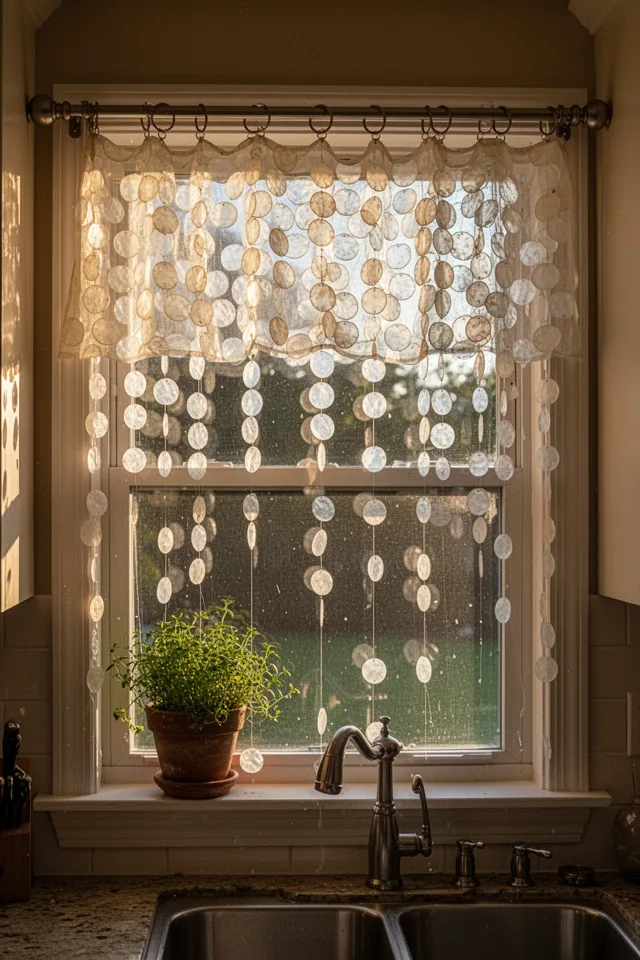
Actual capiz shell curtain panels cost $100 or more. The DIY version uses capiz shell discs (available in bulk online for around $20 per 100 discs), clear fishing line, and a tension rod. String the discs onto fishing line at 2-inch intervals, tie a loop at the top, and hang each strand from a shower curtain ring. Thread the rings onto a tension rod. You get the exact same look for about $40 for a standard window.
The trade-off is that real capiz discs are brittle. If you drop one, it shatters. Also, drilling holes in capiz (if your discs don’t have pre-drilled holes) requires a diamond bit and a light touch. Skip that—buy pre-drilled discs. The version that fails is using superglue to attach discs to string instead of knotting them. Glue yellows and fails in humidity. Knots hold forever.
Pro tip: Soak the fishing line in water overnight before stringing. It relaxes the coil memory so your strands hang straight instead of curling into spirals. Costs nothing, makes a huge difference.
2. Capiz Shell Ornaments For Summer Tree
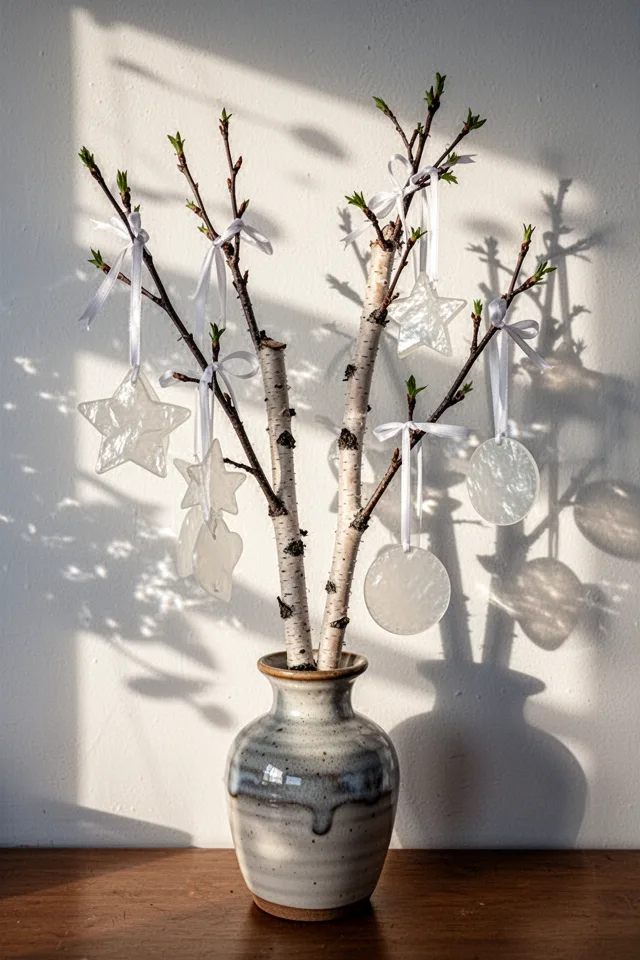
You don’t need a Christmas tree for ornaments. Get a bare birch branch (or manzanita) from a craft store ($15) and set it in a heavy vase with gravel or sand. Hang capiz shell ornaments—stars, circles, or teardrop shapes—from the branches using sheer white ribbon or thin jute. The shells catch every breeze and light shift. It becomes a “summer tree” that feels magical without being precious.
Cost for pre-made capiz ornaments is around $3 to $5 each, so a full tree could be $50. The budget version: buy plain capiz discs and use a paper punch to cut shapes? No—capiz cracks. Instead, buy a mix of pre-cut shapes from a craft supplier ($15 for an assortment of 30). The constraint is that the branch will shed bark and dust. Spray it with clear acrylic sealer before decorating to lock everything down. Also, keep this away from open windows—a strong breeze will knock it over.
One thing most guides skip: use ornament hooks designed for chandelier crystals—they’re smaller and less visible than standard ornament hooks. A pack of 50 costs $6 and makes the shells look like they’re floating.
3. Capiz Shell Mobiles Over Dining Table
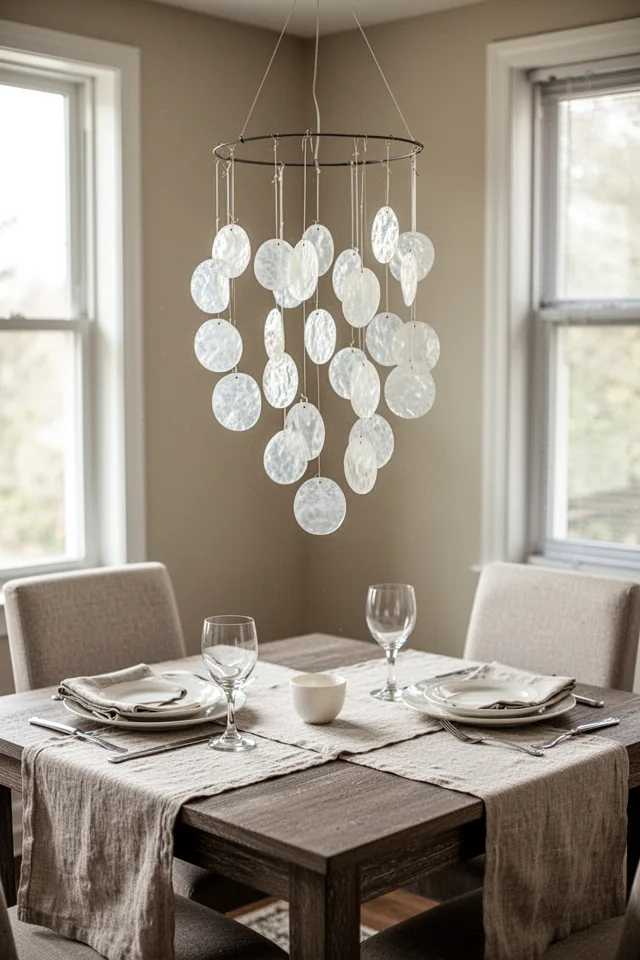
Instead of a heavy chandelier, hang a capiz mobile over your dining table. Start with an embroidery hoop or a wire wreath form. Paint it white or leave it bare. Attach fishing line strands of varying lengths—from 6 inches to 24 inches—and tie a capiz disc to the end of each. Hang the hoop from the ceiling with clear fishing line. The shells hover at different heights, creating movement and light play.
Cost is about $25 for 50 discs and a hoop. The trade-off is that this mobile needs air circulation to move. In a still room, it’s just a static disc collection. Position it near an air vent or window. Also, the fishing line knots will slip over time. Put a tiny drop of superglue on each knot after tying. The version that ages badly is using a metal hoop that rusts. Use plastic or sealed wood.
Pro tip: Alternate disc sizes on each strand—large at the bottom, small near the top—for a graduated look that feels more dynamic. Strands with same-size discs look flat.
4. Fake Capiz From Parchment Paper
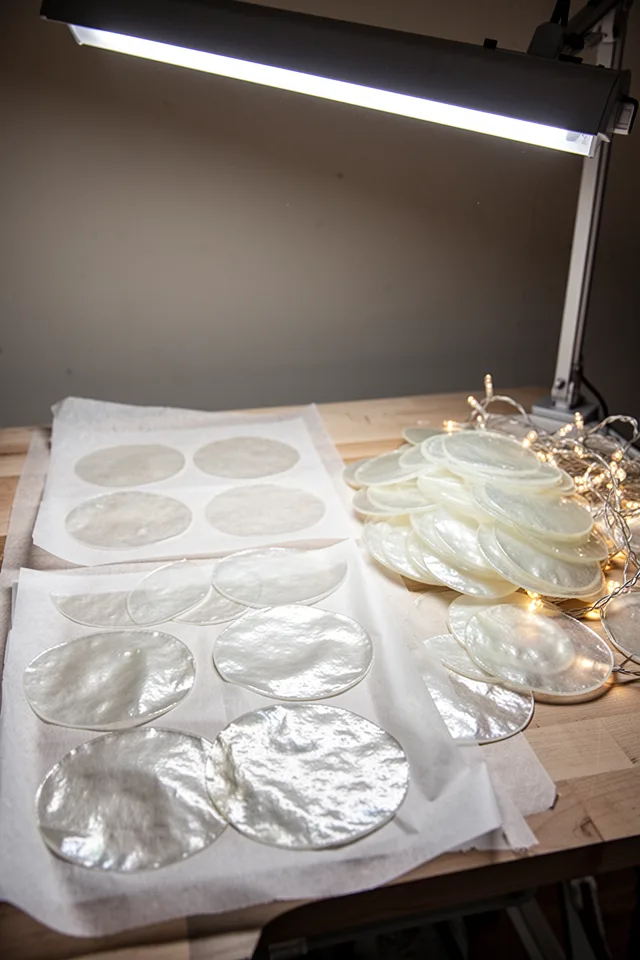
If real capiz is out of budget, make fake capiz from parchment paper. Cut circles of parchment paper (use a circle punch or scissors). Stack two or three circles, place between sheets of wax paper, and iron on low heat. The parchment fuses into a semi-translucent, slightly wrinkled sheet that looks convincingly like capiz from three feet away. Punch a hole in each, string onto fishing line, and hang.
Cost is under $5 for parchment and wax paper. The constraint is durability. Fake parchment capiz will tear if handled roughly. Use it for mobiles or ornaments that won’t be touched. Also, it’s not weather-resistant—one humid day and it will curl. Indoors only. The version that actually holds up is using translucent vellum paper instead of parchment. Vellum is stiffer and more durable, costs $10 for 50 sheets, and irons into a harder, more shell-like material.
The honest truth: fake capiz works for high-up decor or temporary installations. For something you’ll touch or that needs to last, spend the money on real shell. You’ll replace fake capiz three times before real capiz needs cleaning.
5. Capiz Shell Charger Plates
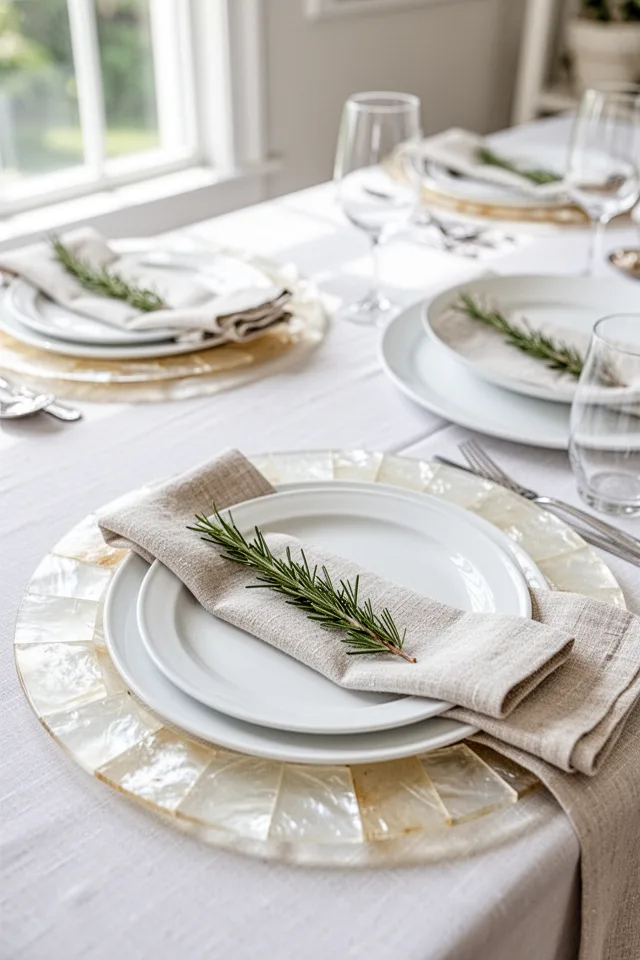
Capiz charger plates are expensive—$15 to $30 each retail. But they make a summer table feel like a coastal resort. The trick is to buy them used or on clearance at the end of summer. I found a set of six for $40 on Facebook Marketplace. If you buy new, look for “capiz effect” chargers made from resin with a shell overlay—they cost half as much ($8 each) and are nearly indistinguishable from the real thing.
The constraint is that real capiz chargers are not dishwasher safe. Hand wash only with mild soap, and never soak them. Water seeps between the shell layers and causes delamination. Also, they scratch easily. Stack them with felt separators or store individually. The version that fails is using capiz chargers for outdoor dining. Sunlight accelerates yellowing, and any rain will ruin them. Indoors only.
Pro tip: Place a white dinner plate on top of a capiz charger, then put a small tea light inside the charger underneath the plate. The plate glows from below. Only do this with battery tea lights—real candles get too hot.
6. Capiz Shell Wind Chimes That Survive
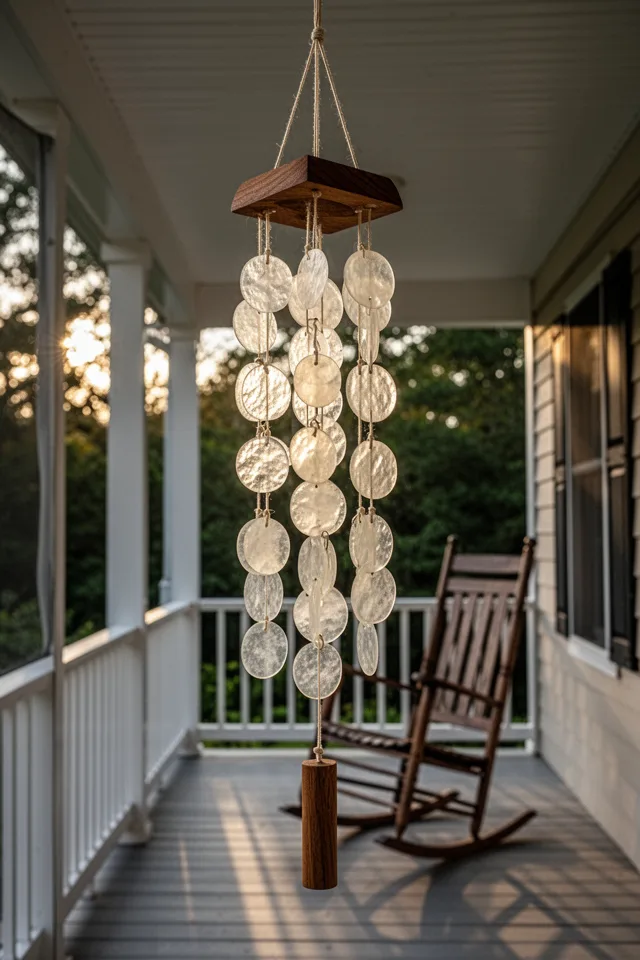
Most capiz wind chimes are junk—thin shells, nylon string that rots, and no weather protection. The ones that last have three things: waxed cotton cord (not nylon), shells that are at least 2mm thick, and a UV-resistant sealant applied by the manufacturer. Expect to pay $35 to $60 for a quality chime. The cheap $15 versions will be in the trash by September.
The trade-off is that even good capiz chimes need care. Bring them inside during storms and during winter. Sunlight will yellow them eventually—that’s inevitable. But a quality chime will last three to five years with basic care. The version that fails is hanging a capiz chime in direct, uncovered sun and rain. It’s an indoor or covered-porch item. If you want something for full sun, buy metal or glass chimes instead.
One thing most guides skip: test the cord before buying. Nylon cord stretches and frays. Waxed cotton cord is stiff and slightly tacky to the touch. If the product description doesn’t specify, assume it’s nylon and skip it.
7. Capiz Shell Lampshade Makeover
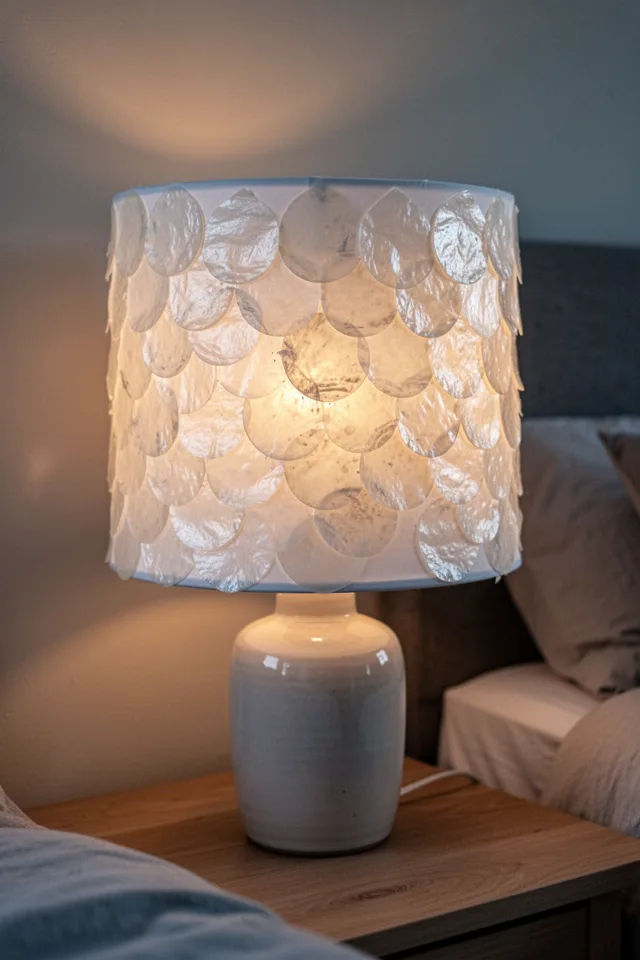
Take a plain white drum lampshade (thrift store, $3) and cover the outside with capiz discs. Use a low-temp hot glue gun (high heat cracks the shells). Start at the bottom and overlap each disc like fish scales, working upward. Leave the top inch uncovered so the shade still fits on the harp. When the lamp is on, the shells glow and cast a beautiful dappled pattern on the ceiling.
Cost is about $25 for 150 discs plus the shade. The constraint is that the glue will fail if the lamp gets hot. Use only LED bulbs (which run cool) or CFL bulbs. Incandescent bulbs will melt the glue and discolor the shells. Also, this project is tedious. Covering a 10-inch shade takes about two hours. Put on a podcast and accept that your fingers will be sticky. The version that fails is using superglue—it dries white and shows between the shells.
Pro tip: Paint the lampshade white before gluing. Any gaps between the discs will show the shade’s original color. White gaps disappear; beige or black gaps look terrible.
8. Capiz Tray From Picture Frame And Shells
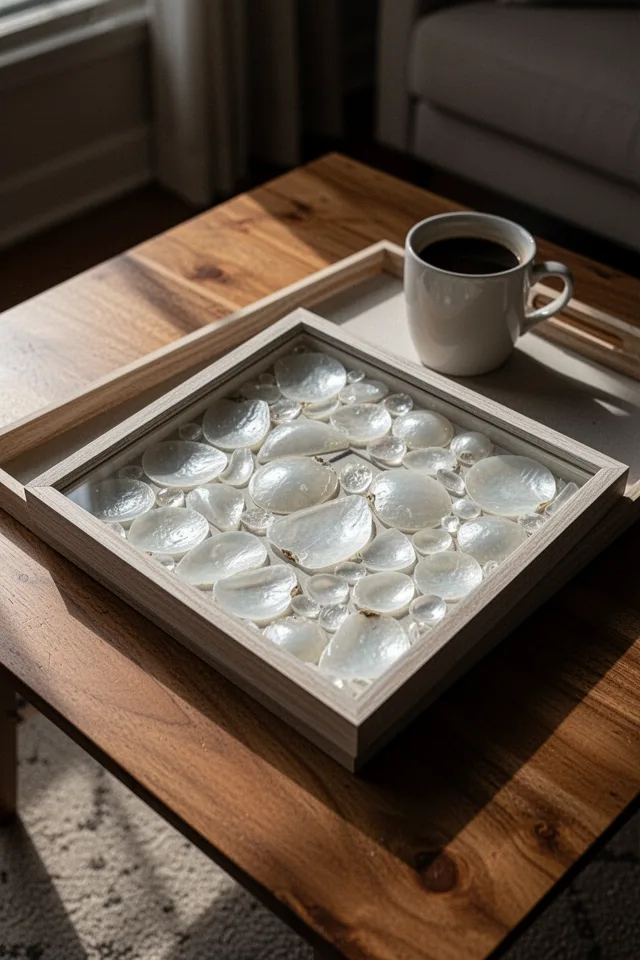
A capiz shell tray costs $50 or more. Make your own using a shallow shadow box frame (the kind meant for displaying collectibles). Remove the glass. Fill the frame with a single layer of capiz shells—mix discs, teardrops, and irregular shapes. Glue them down with clear silicone or E6000. The frame becomes a textured tray that’s perfect for keys, candles, or jewelry.
Cost is about $20 for the frame and $15 for an assortment of shells. The constraint is that the tray isn’t waterproof. Don’t put wet glasses or plants on it. Also, the shells will eventually collect dust in the crevices. Clean with a soft paintbrush or canned air. The version that works better is using a resin pour over the shells to seal them into a flat, washable surface. That’s another $15 for resin and turns it into a truly functional tray.
One thing most guides skip: use a frame with a raised lip at least 1/2 inch deep. Standard picture frames are too shallow—the shells will stick up above the rim and you can’t set anything flat on the tray.
9. Capiz Shell Garland For Mantel
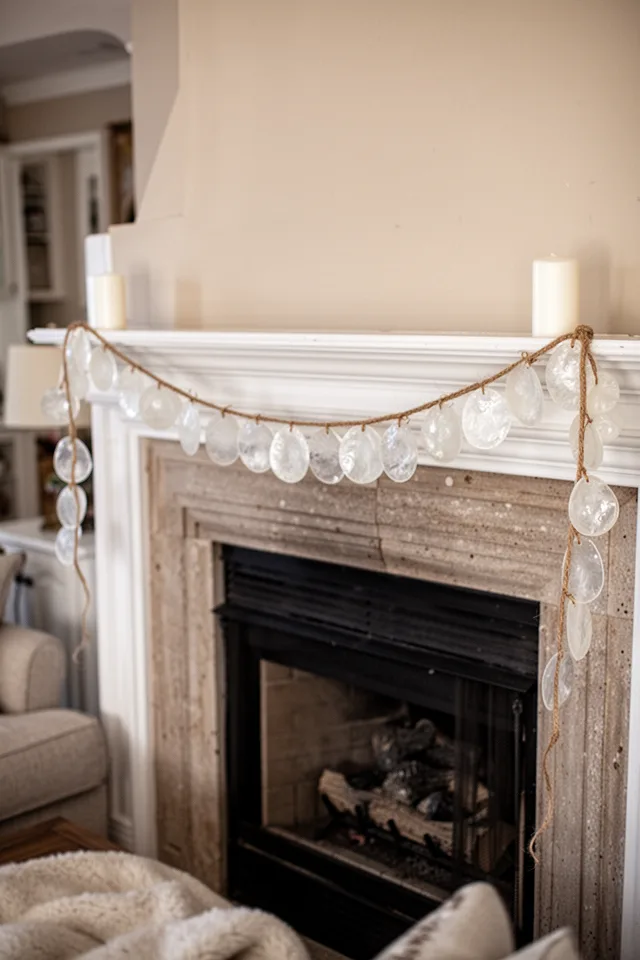
String capiz shells onto jute twine or cotton cord, tying a knot between each shell to keep them spaced. Leave extra length at both ends for draping. Drape the garland across a mantel, a shelf, or along the top of a headboard. The shells catch light and move slightly in any breeze. It’s a subtle coastal touch that doesn’t scream “beach house.”
Cost is about $20 for 50 shells and twine. The constraint is that the garland will kink and tangle when stored. Wrap it around a piece of cardboard or a paper towel tube between uses. Also, if you use real jute, it sheds fibers. Seal the jute with a coat of clear glue or buy waxed cotton cord instead ($5 more, no shedding). The version that fails is using elastic cord—it stretches out and the shells slide together into a clump.
Pro tip: Add a few small bells or wooden beads between the shells for a gentle sound element. The bells should be brass or sealed wood—anything else will rust or warp.
10. Capiz Shell Ornament Wreath
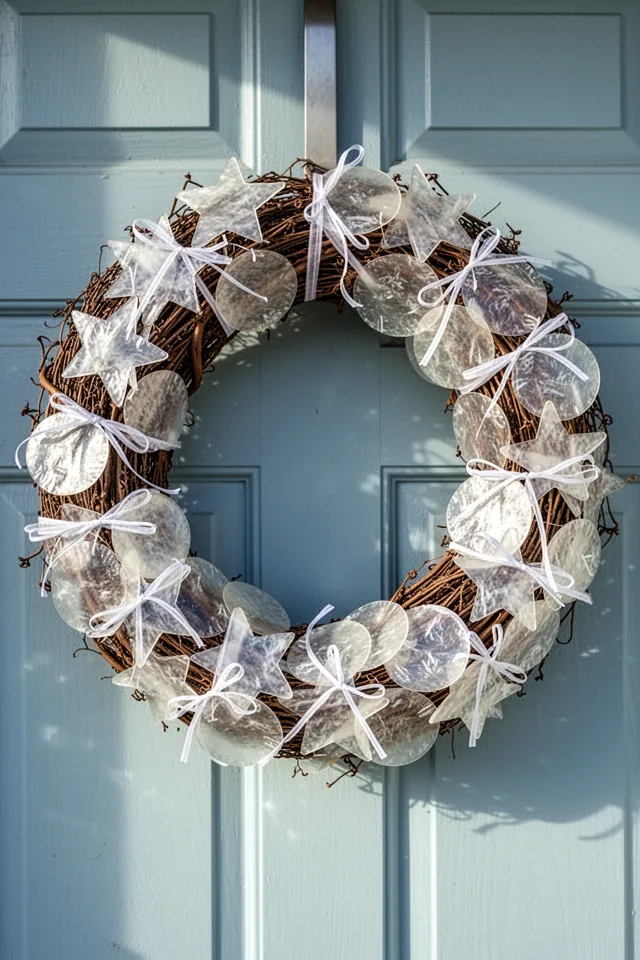
Instead of a traditional summer wreath made of flowers (which wilt), make one entirely from capiz ornaments. Buy a grapevine wreath base ($5 at a craft store). Use thin white ribbon or fishing line to tie capiz ornaments onto the wreath, clustering them densely enough that the grapevine barely shows. Hang with a wide white ribbon.
Cost is around $30 for 30 ornaments plus the wreath. The constraint is weight. A fully covered wreath can be surprisingly heavy. Make sure your door hook or command strip is rated for at least five pounds. Also, grapevine sheds debris. Spray the wreath with clear acrylic sealer before decorating to lock in the loose bits. The version that fails is using a foam wreath form—the ornaments poke into the foam and fall out when the foam compresses.
Pro tip: Add a string of battery-operated micro lights behind the shells. Thread the lights through the wreath before adding the shells. The shells will glow at night and look magical from the street.
11. Capiz Shell Suncatchers For Windows
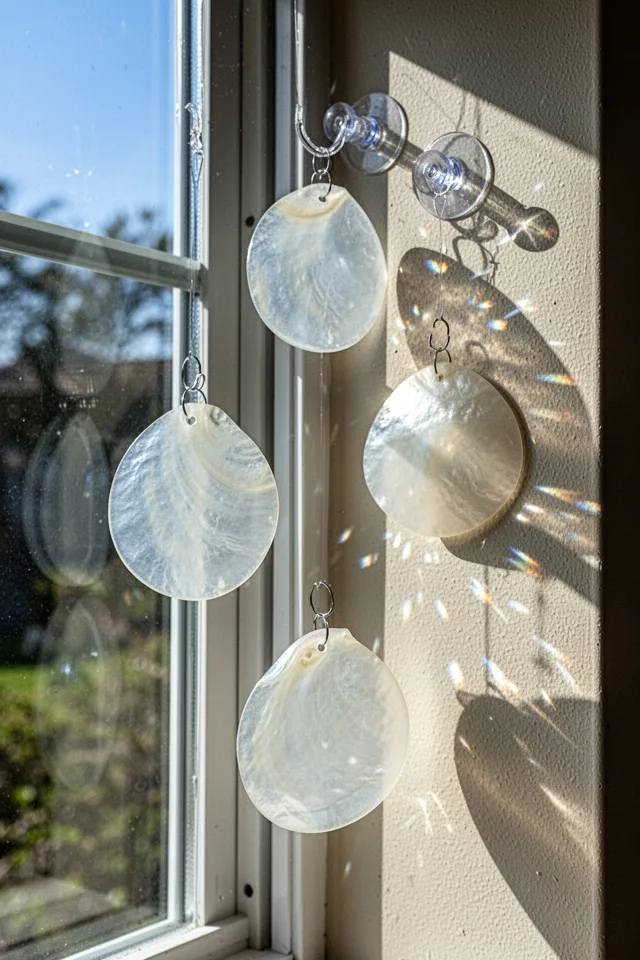
This is the simplest capiz idea possible, and it’s beautiful. Buy large, single capiz shells (2.5 to 3 inches) with a natural hole or drill your own with a diamond bit. Attach a clear suction cup hook to a sunny window. Hang the shell from the hook using clear fishing line. The shell acts as a prism, catching light and throwing tiny rainbows. Group three at different heights for a cluster effect.
Cost is about $10 for three large shells and $5 for suction cups. The constraint is that suction cups fail in humid windows. After a week, they’ll drop. Use removable adhesive hooks instead (the clear Command hooks are perfect) for $3 each—they hold for months. Also, direct sun will yellow the shells over time. That’s part of the patina. Rotate them every few months to yellow evenly.
The honest truth: this works best on south- or west-facing windows. East-facing windows get morning sun only; north-facing windows get no direct sun and won’t create the rainbow effect.
12. Capiz Shell Napkin Rings
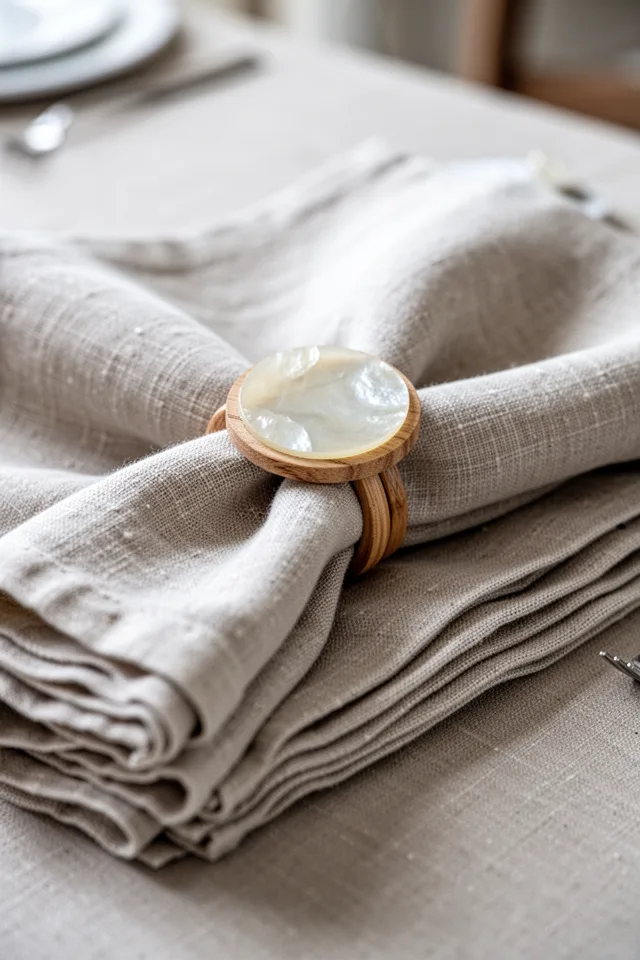
Buy unfinished wooden napkin rings (12 for $10 online). Cut small capiz discs (1 inch) or use shell buttons. Glue one disc to each wooden ring using E6000 or strong craft glue. The result is a napkin ring that looks like it came from a boutique coastal shop. Total cost: under $2 per napkin ring.
The constraint is that the discs will pop off if you use insufficient glue or if the napkin is pulled roughly. Use a generous dot of glue and clamp with a clothespin for an hour while drying. Also, capiz is slightly curved, so it won’t sit perfectly flat on a flat wooden ring. That’s fine—the slight wobble looks organic. The version that fails is using superglue, which dries brittle. E6000 remains flexible.
Pro tip: Paint the wooden rings white before gluing the shells. If the shell doesn’t cover the entire ring surface, the white paint blends with the shell and the ring looks seamless.
13. Capiz Shell Wall Art From Canvas And Mod Podge
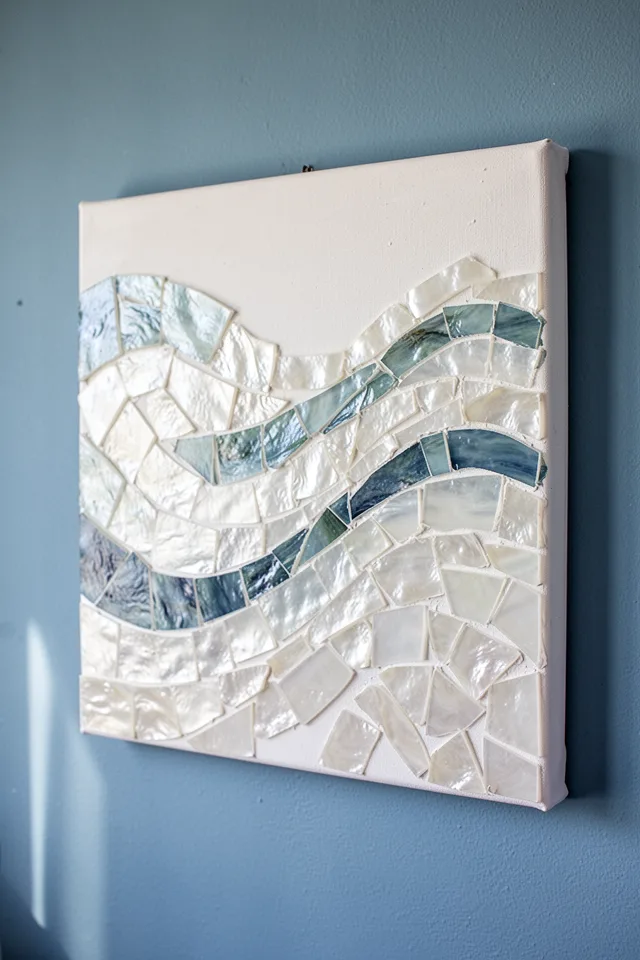
Break capiz discs into irregular shards (put them in a cloth bag and tap with a hammer). Arrange the shards on a white canvas in a pattern—maybe a wave, maybe abstract. Glue each piece with matte Mod Podge. Once dry, apply a top coat of Mod Podge over the whole canvas to seal. The result is a textured, shimmering piece of art that catches light from every angle.
Cost is about $30 for a canvas and 100 discs (you’ll break many). The constraint is that broken capiz has sharp edges. Sand each shard lightly with fine sandpaper before gluing, or wear gloves during assembly. Also, the Mod Podge will dry clear but slightly cloudy. Test on a scrap piece first. The version that fails is using a dark-colored canvas—the white Mod Podge and pale shells need a light background to pop.
One thing most guides skip: lay out the entire pattern before gluing anything. Take a photo. Then glue. Capiz shards are slippery and shift as you work. The photo is your map.
14. Capiz Shell Curtain Tiebacks
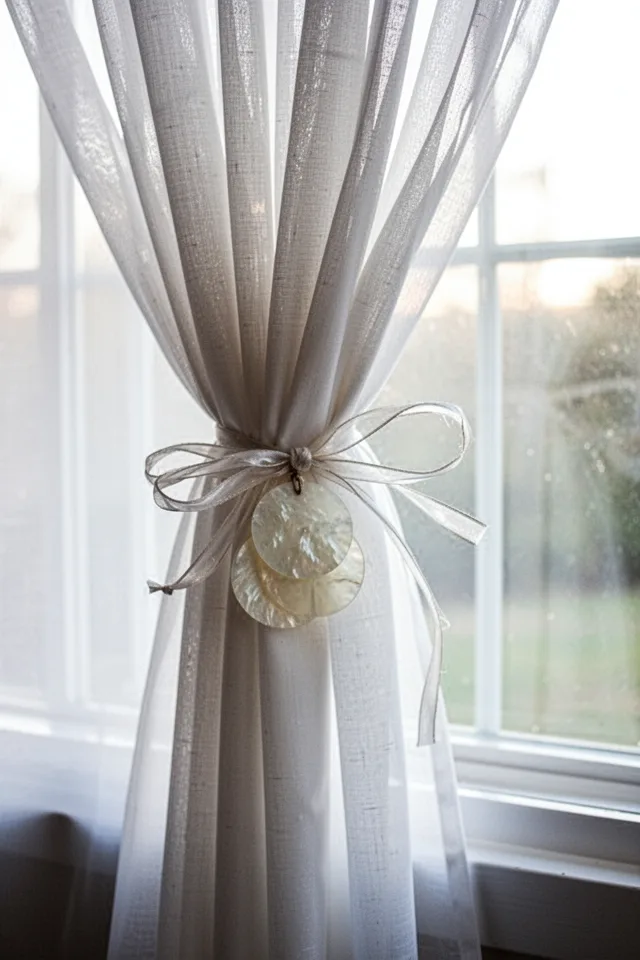
Instead of metal or rope tiebacks, make delicate capiz tiebacks. Cut a 12-inch length of 1/4-inch wide satin ribbon. String three capiz discs onto the ribbon, knotting between each. Tie the ribbon around the curtain at your desired height, then finish with a small bow. The shells sit against the fabric, catching light and adding a subtle coastal element.
Cost is under $10 for a set of four tiebacks. The constraint is that the ribbon will slip over time, especially on silky curtain fabric. Sew a small button onto the ribbon behind the last shell to prevent slipping. Also, satin ribbon frays at the cut ends. Seal the ends with a lighter flame (quickly—don’t burn) or clear nail polish. The version that fails is using cotton ribbon, which doesn’t hold a bow well and frays immediately.
Pro tip: Use capiz discs with a slight dome shape, not flat ones. The domed shells catch light from more angles and look three-dimensional against the flat curtain.
15. Capiz Shell Place Card Holders
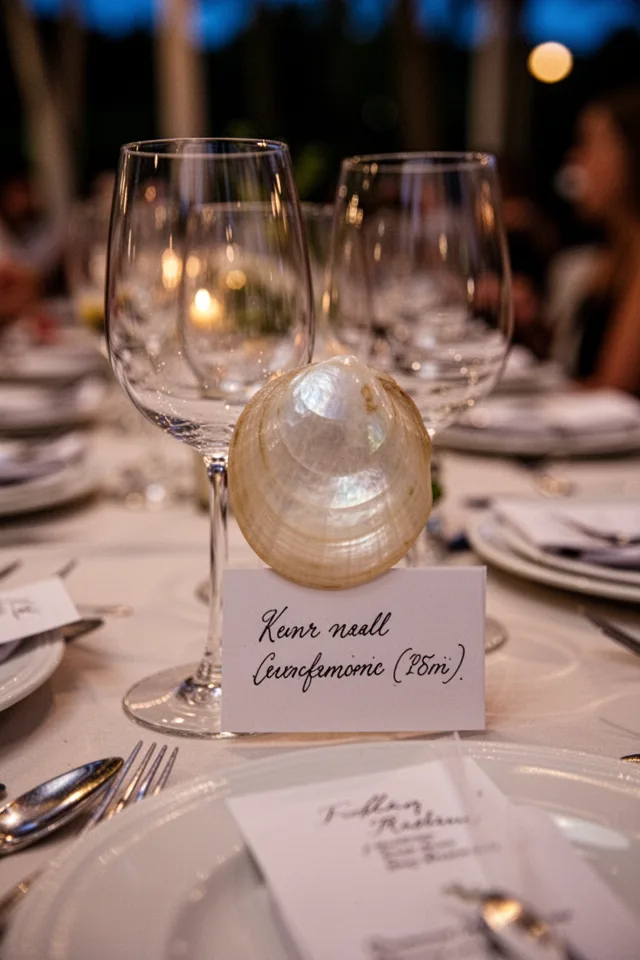
For a summer dinner party, use capiz shells as place card holders. Write each guest’s name on a small card (2×2 inches). Slip the card under a medium capiz shell, leaning the shell against a glass or a folded napkin. The shell acts as a paperweight and a decoration in one. After dinner, guests can take the shells home as favors.
Cost is about $15 for 20 medium shells. The constraint is that the shells need to be heavy enough to hold the card. Thin, lightweight shells will blow away or slide. Buy shells that are at least 2mm thick. Also, if you’re using them outdoors, a breeze will scatter everything. Use a small dab of museum putty on the bottom of each shell to keep it in place. The version that fails is using shells with a strong curve—they rock and won’t stay upright.
One thing most guides skip: write the names on the shells themselves with a permanent marker, then erase with rubbing alcohol after the party. That’s even simpler than cards and looks more intentional.
16. Capiz Shell Bathroom Accessories
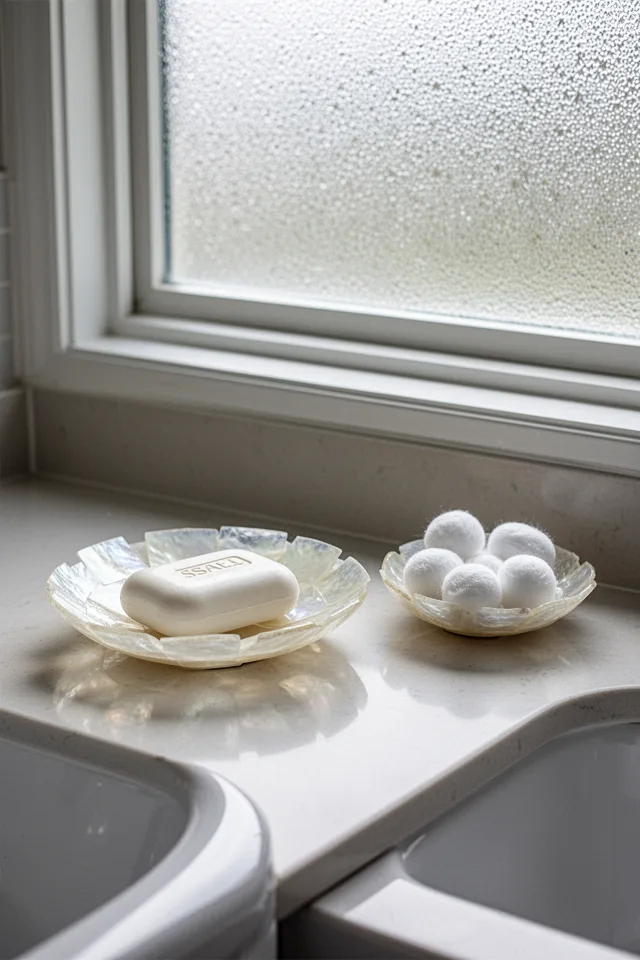
Large capiz shells (4 to 6 inches) make beautiful soap dishes, ring holders, and jewelry trays. The natural curve of the shell holds a bar of soap perfectly and allows water to drain underneath. A cluster of smaller shells can hold cotton balls or bath salts. Unlike ceramic dishes, they won’t chip if dropped—they’ll crack, but that’s less common.
Cost is $8 to $15 per large shell. The constraint is that capiz is porous. If you use a shell as a soap dish, soap scum will build up and is difficult to remove. Seal the shell with a clear waterproof sealant (like polycrylic) before using it in a wet bathroom. Also, don’t use them to hold wet razors—the metal will stain the shell. The version that fails is using unsealed shells in a shower. They’ll absorb water, delaminate, and smell musty within weeks.
Pro tip: Look for “gold lip” or “silver lip” shells—these are specific oyster species with thicker, more durable shells than standard capiz. They cost a few dollars more but last years longer.
Capiz shell decor walks a fine line between ethereal and fragile. The pieces that last are the ones you treat with respect—kept out of direct rain, away from extreme humidity, and cleaned gently with a dry cloth. The pieces that disappoint are the ones marketed as “outdoor safe.” There’s almost no such thing with real capiz.
If you’re new to capiz, start with the suncatchers or the garland. Both are under $20, require almost no skill, and give you immediate gratification. The window curtain is a bigger commitment but transforms a room more than any other idea here. And please, learn from my wind chime disaster: inspect the cord and the shell thickness before buying anything pre-made. A $30 chime from a reputable maker beats three $15 chimes that fall apart.
Remember this page when you’re standing in your living room on a summer afternoon, watching the capiz discs on your window curtain catch the light and scatter tiny rainbows across the floor. That’s the moment you’ll know why people love this material. It’s not about beach theming. It’s about bringing something that feels alive and responsive into your home—something that moves and glows and reminds you that the simplest natural objects are often the most beautiful.