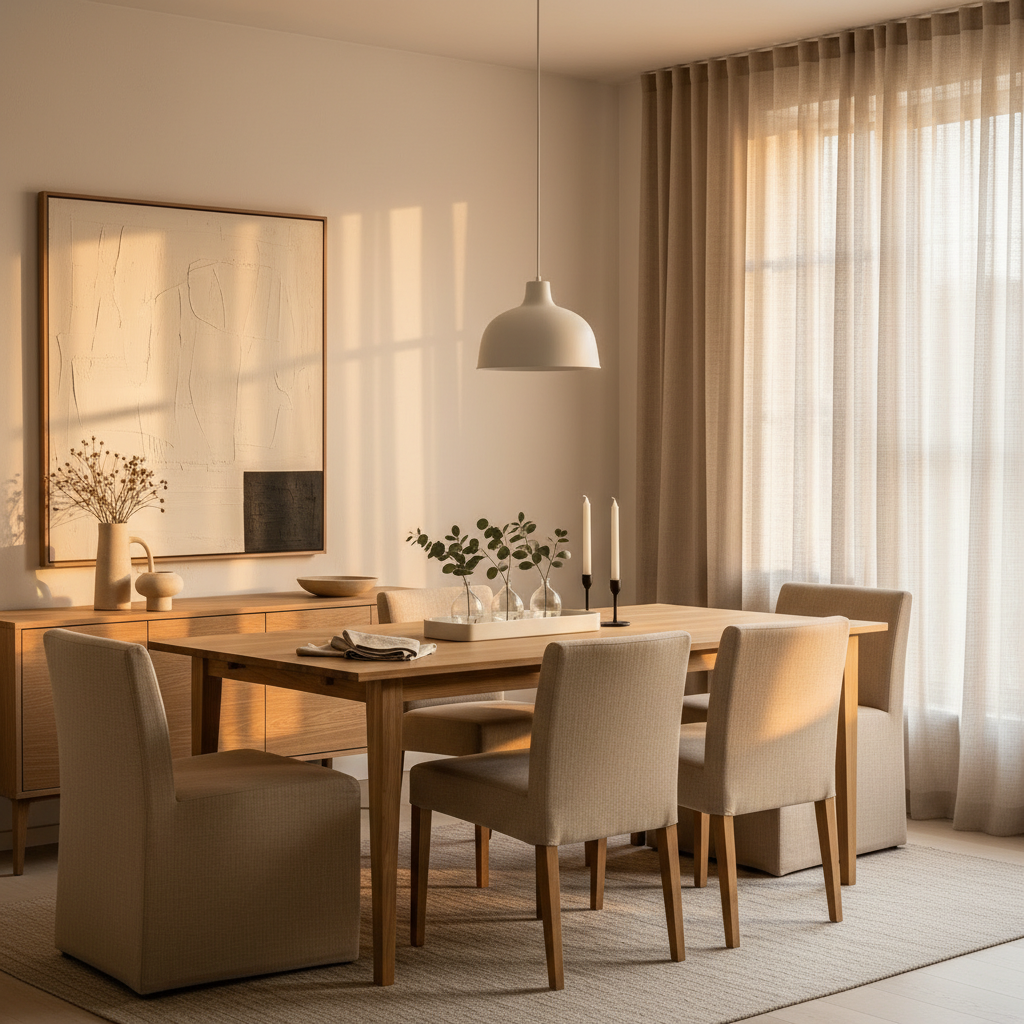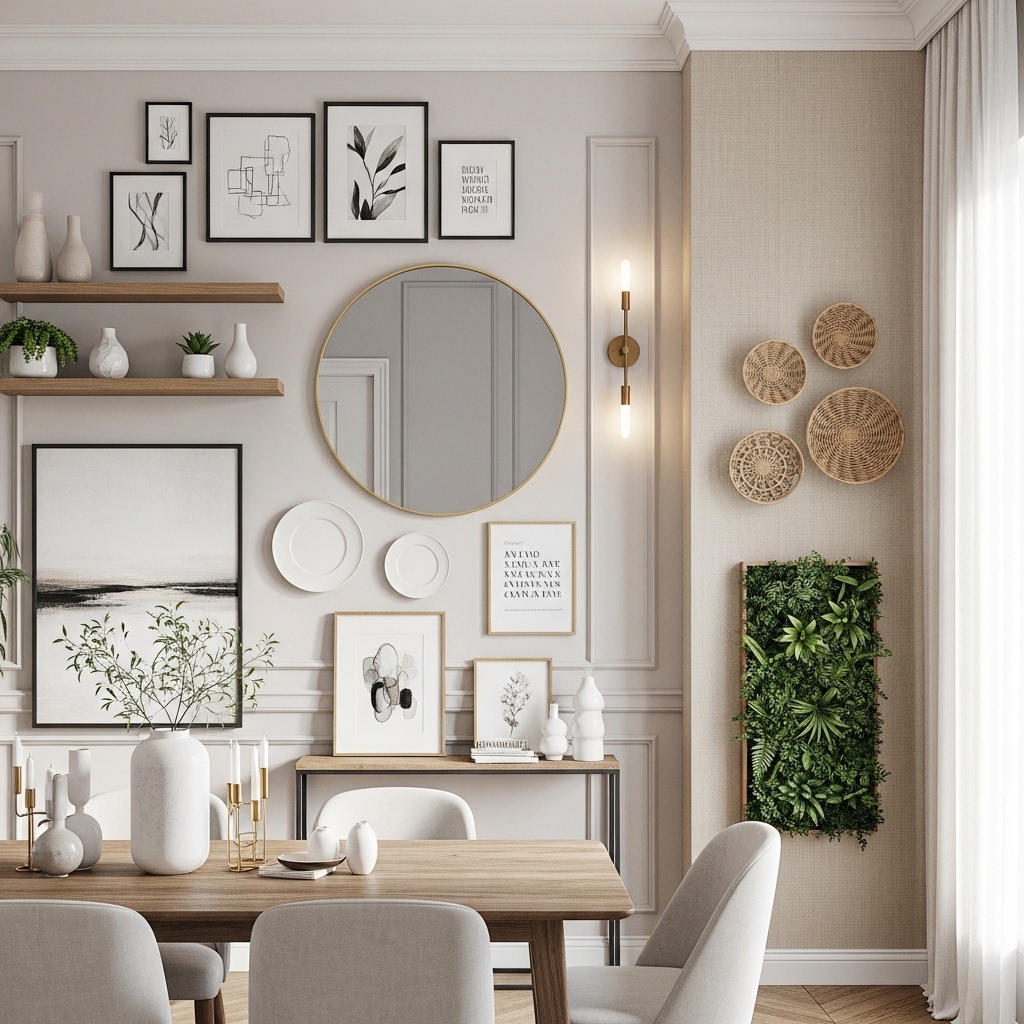
There’s something about rustic modern that just refuses to go out of style, and I think it’s because it solves a real problem most of us have. We want homes that feel grounded and lived-in, but we also don’t want to live inside a log cabin theme park. The trick is balance, and when you nail it, the result is a space that looks expensive without trying, ages beautifully, and actually feels good to come home to. I’ve put together twelve ideas that lean into the cozy side of rustic without sacrificing the clean lines that make modern design feel fresh. Some of these are weekend projects, some are slow swaps you build toward over a year, and a few are renter-friendly cheats that punch way above their weight. Pick what works for your space, your light, and the way you actually live.
1. Lean Into A Warm Neutral Palette With One Earthy Anchor
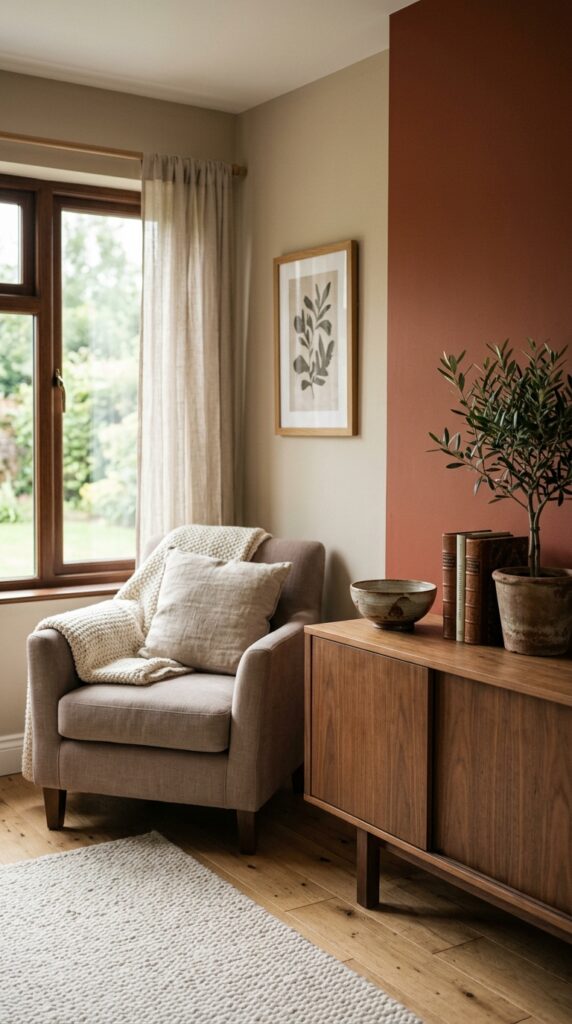
Forget cool grays. Rustic modern lives and dies on warm neutrals, but the magic happens when you commit to one earthy anchor color that runs through the whole room. Think clay, mossy olive, smoked terracotta, or a deep ochre. Pull it through a single accent wall, then echo it in two smaller moments, like a vase, a throw, or the binding of stacked books. Keep your big pieces in oat, bone, mushroom, or warm white so the anchor has room to breathe. One thing to watch: skip cool-toned whites like arctic or pure white. They fight the warmth and make wood tones look orange. If you have north-facing rooms with bluer light, push your neutrals even warmer than you think you need. The result feels intentional rather than beige-on-beige boring. A single anchor color does more work than five trendy ones ever will.
2. Mix Raw Wood With Matte Black For Instant Contrast
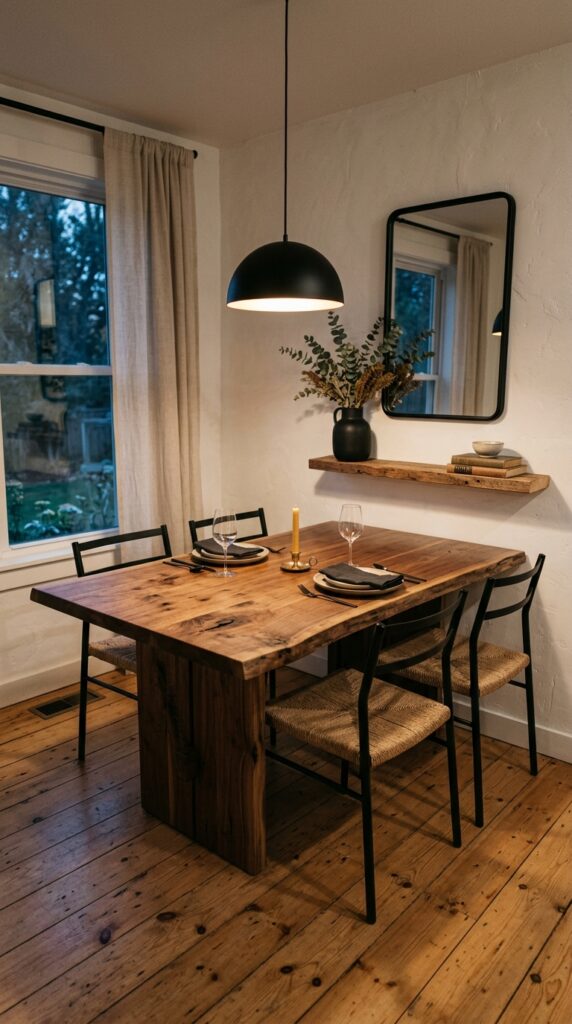
Raw wood on its own can drift into farmhouse territory fast. The fix is matte black. Pair a chunky live-edge wood piece with black metal hardware, a black pendant, or black-framed art, and the whole room snaps into focus. The contrast is what keeps rustic from feeling fussy or themed. Try a black iron pendant over a wood dining table, black cabinet pulls on natural oak, or a black powder-coated bookshelf against a warm plaster wall. Watch out for going overboard. Black accents should feel like punctuation, not paragraphs. If more than thirty percent of your room reads black, you’ve crossed into industrial territory and lost the cozy. Stick to two or three black moments per room and let wood do the heavy lifting. This combo also hides scuffs, ages well, and works in apartments where you can’t refinish floors. Easy win, hard to mess up.
3. Layer Linen And Wool Like You Mean It
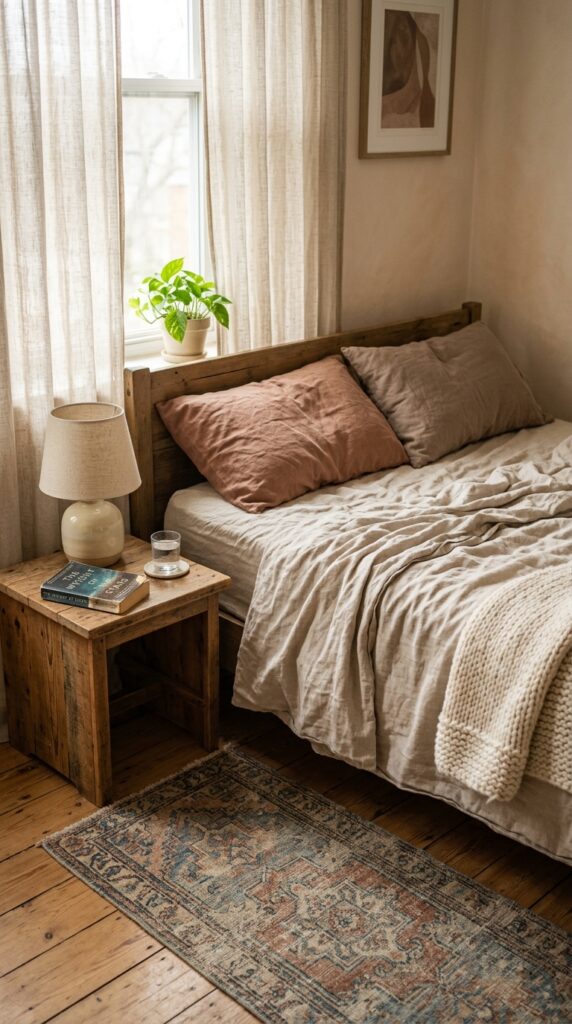
Texture is the difference between a room that photographs well and one that feels good to actually sit in. Linen and wool are the workhorses here. Linen brings that slightly rumpled, breathable softness that says someone lives here. Wool adds weight and warmth without bulk. Layer them on beds, sofas, and chairs, mixing weights and weaves so nothing feels matchy. A nubby linen pillow against a chunky cable-knit wool throw against a smoother woven cushion is the kind of layering that reads expensive even when it’s not. The constraint: avoid synthetics in your textile mix. Polyester throws look fine in photos but feel like nothing in person, and they pill within a season. Spend your money here if you spend it anywhere. Good textiles outlast trends and only get better with use. This is one of those small decisions that quietly makes a room.
4. Treat Your Walls Like A Surface, Not A Backdrop
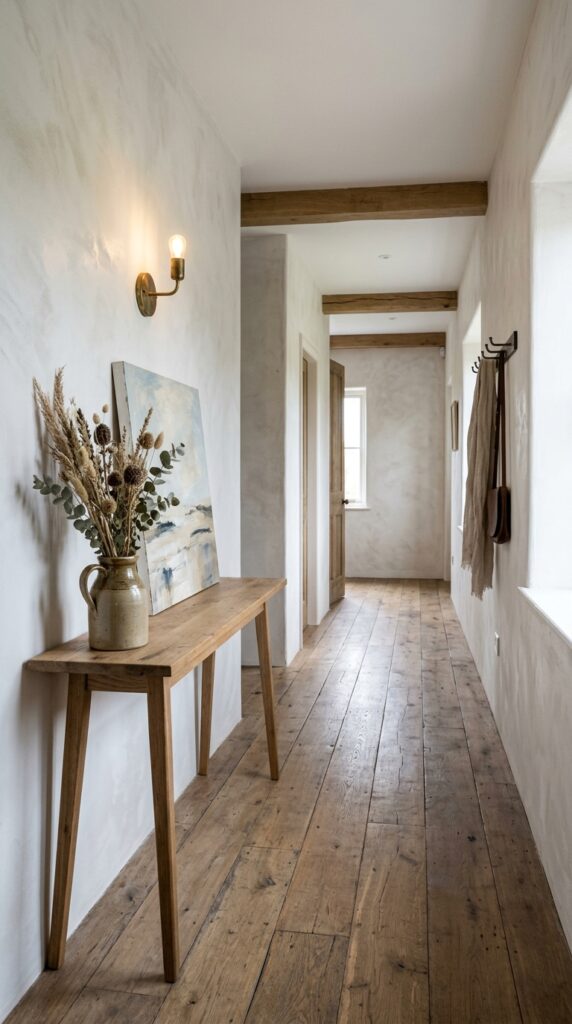
Flat painted walls are fine. Textured walls are unforgettable. Limewash, Roman clay, or a good plaster finish adds depth that flat paint physically cannot match, because real plaster moves with the light throughout the day. You get that soft, slightly cloudy variation that makes a room look like it has history. If full plaster feels intimidating, limewash paint is the renter-adjacent middle ground. It goes on with a brush, dries in soft mottled patches, and costs about the same as nice paint. One watch-out: textured walls are unforgiving with bad lighting. If your room only has harsh overhead bulbs, the walls will look patchy and weird. Make sure you’ve got warm lamp light and ideally some natural light hitting the wall before you commit. When it works, no piece of art on earth competes with a beautifully troweled wall. The wall becomes the art.
5. Add A Vintage Rug That Looks Like It Has Stories
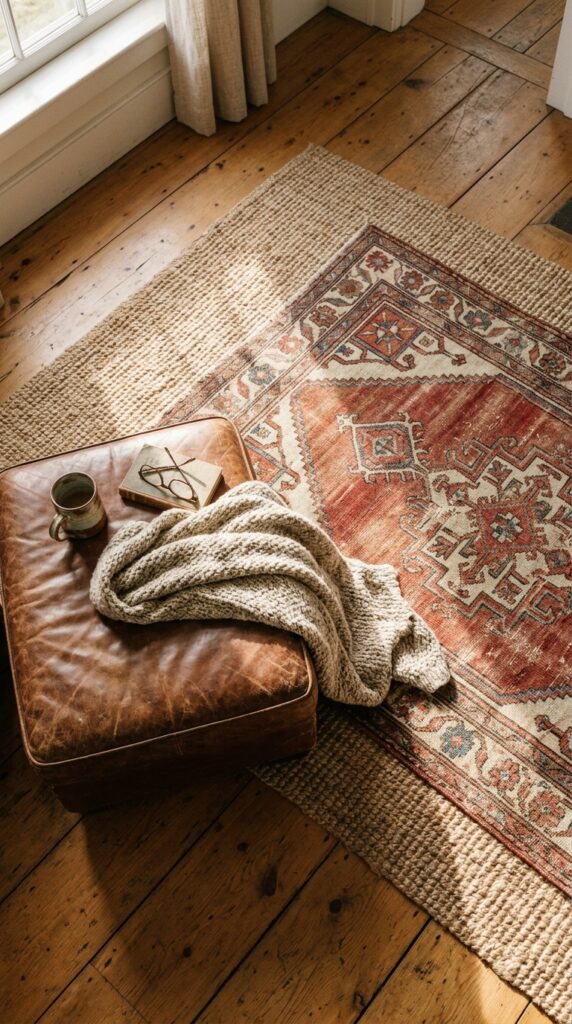
A new rug from a big-box store will always look new, even ten years from now. A vintage rug, even a beat-up one, brings something to a room that no amount of styling can fake. Look for faded reds, soft rusts, muted blues, and ivories with visible wear, especially in entryways and living rooms where wear actually adds character. Layer it over a larger jute or sisal base if you want it to feel more grounded and less precious. Trade-off: real vintage rugs cost more than synthetic look-alikes, and they’re not always practical with big dogs or toddlers who treat everything like a napkin. If that’s your life, go for a quality wool reproduction with a low pile and a slightly washed finish. The takeaway: a rug should feel like it found you, not the other way around.
6. Swap Overhead Lighting For Layered Lamp Light
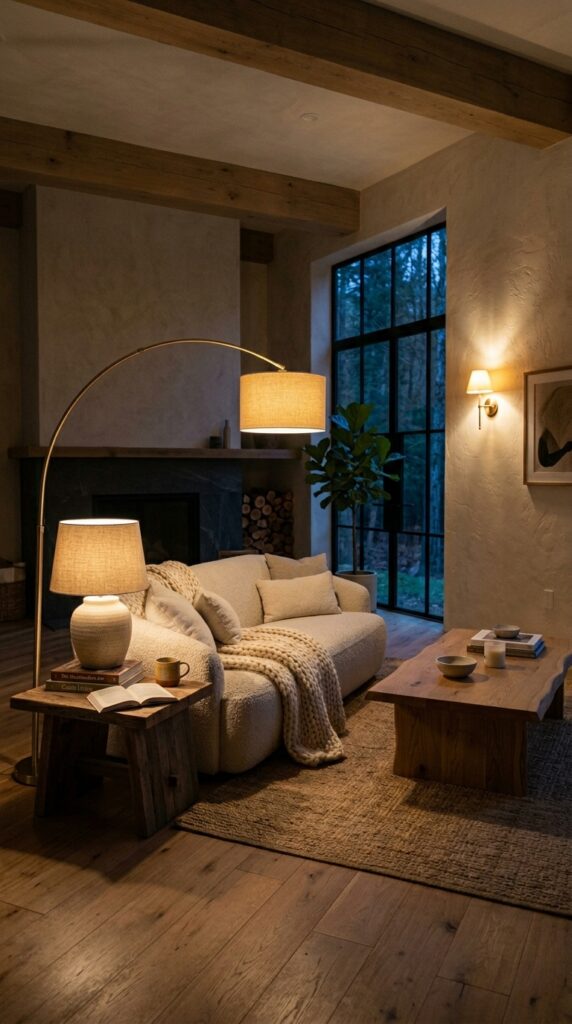
If I could only give one piece of advice, it would be this: turn off the overhead light. Builder-grade ceiling fixtures are the single biggest reason rooms feel flat and unfinished. Replace them with three to five lamps placed at different heights around the room. A floor lamp behind a reading chair, a table lamp on a console, a small lamp on a bookshelf, and a sconce by the entry. Stick to warm bulbs, ideally 2700K or lower, and put everything on dimmers if you can. The constraint here is patience. Building a good lamp setup takes time and usually some thrifting, because matching lamp sets look like a hotel lobby. Mix metals, mix shapes, but keep the bulb temperature consistent. The room will feel twice as expensive overnight. Great lighting is the cheat code most people skip.
7. Use Reclaimed Wood Sparingly For Maximum Impact
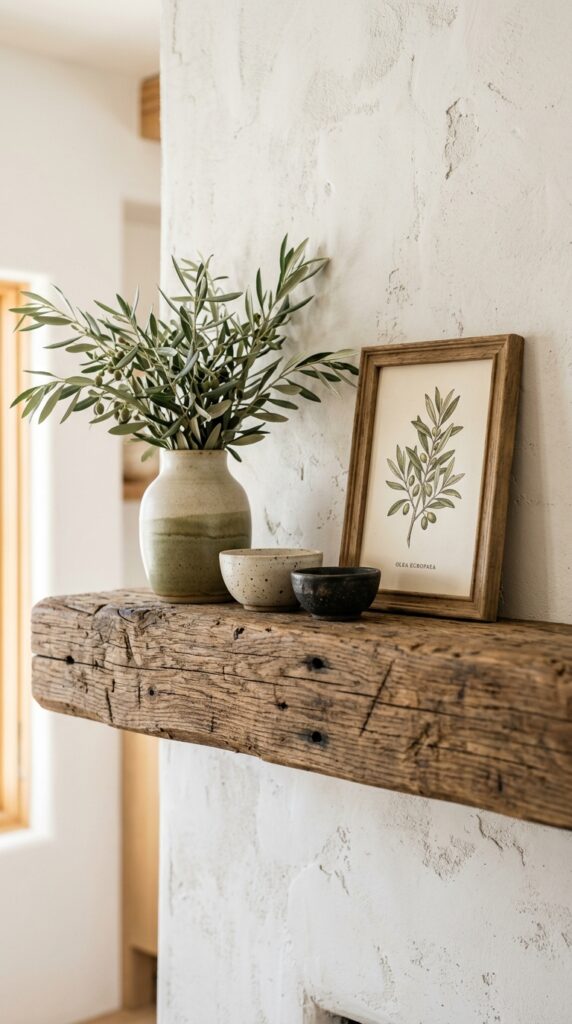
Reclaimed wood is having a moment for good reason, but it’s also the easiest way to push a room from rustic modern straight into theme-park farmhouse. The rule I follow is one major reclaimed piece per room. A single floating shelf, one accent wall, a single dining table, or a feature beam. That’s it. Pair it with clean modern surroundings so the reclaimed wood reads as the special piece it actually is. If you’ve already got reclaimed floors, hold back on adding more. Watch out for fake distressed wood from big-box stores. The grooves are too uniform, the color is too even, and it shows up in photos immediately. Real reclaimed wood has irregular nail holes, color variation, and saw marks that no machine can replicate well. One real piece beats five fake ones every time. Less wood, more impact.
8. Build A Stone Or Plaster Fireplace Moment
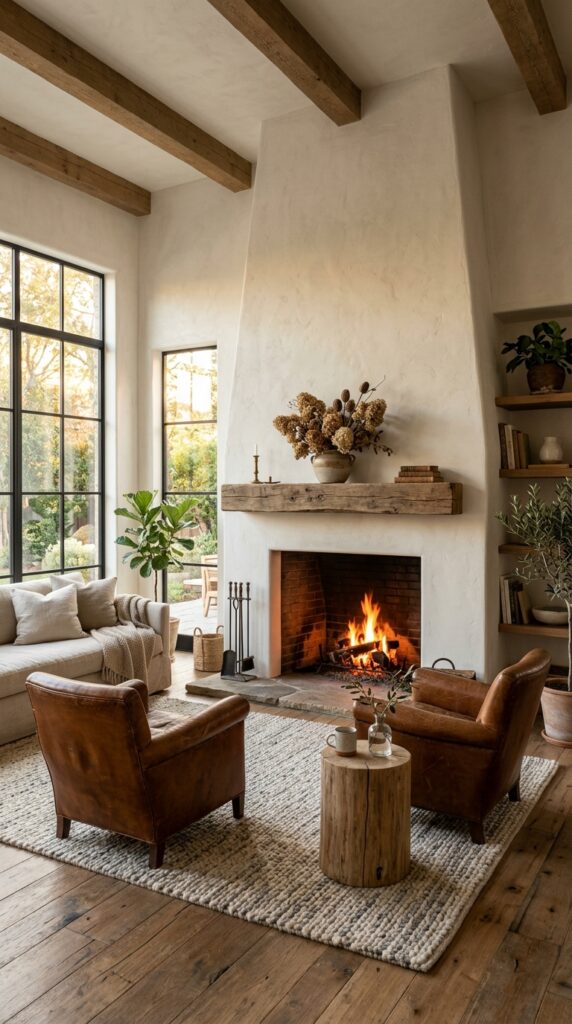
A fireplace is the natural anchor of any rustic modern living room, and even if yours is currently a sad brick rectangle from 1987, you can transform it. The two best directions are full plaster, where you skim the entire surround and chimney breast in a hand-troweled finish, or stacked natural stone in muted gray and cream tones. Both lean modern when paired with a clean reclaimed wood mantel and a simple hearth. Skip the busy patterned tile, the ornate mantels, and anything painted high-gloss white. The constraint: this is not a weekend project. Plaster work and stonework should be done by someone who knows what they’re doing, and it will cost more than you expect. Save up and do it right once, rather than DIY it twice. A great fireplace is the heart of the whole house. Treat it that way.
9. Style Open Shelves Like A Slow Collector
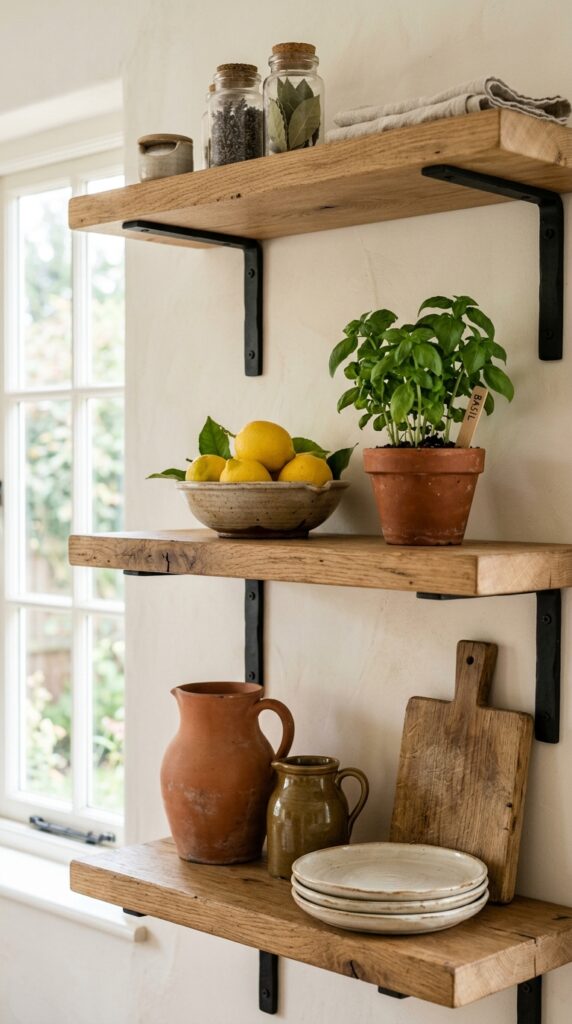
Open shelving is divisive, and honestly the haters have a point. If you fill yours with mismatched plastic and grocery store mugs, it will look like a yard sale. The trick is to style it like a collector, not a homeowner. Stick to a tight palette of three or four materials: stoneware, clay, wood, and maybe one metal. Group items in odd numbers, leave breathing room, and put the genuinely beautiful stuff at eye level. Keep the ugly necessary things behind closed cabinets where they belong. Skip this if you hate dusting, because open shelves collect more dust than you’d think, especially in kitchens with any cooking happening. For everyone else, it’s a chance to show off the pieces you actually love. Open shelves work when they feel curated, not crammed. One beautiful pitcher beats ten functional mugs every single time.
10. Bring In One Statement Antique Or Vintage Piece
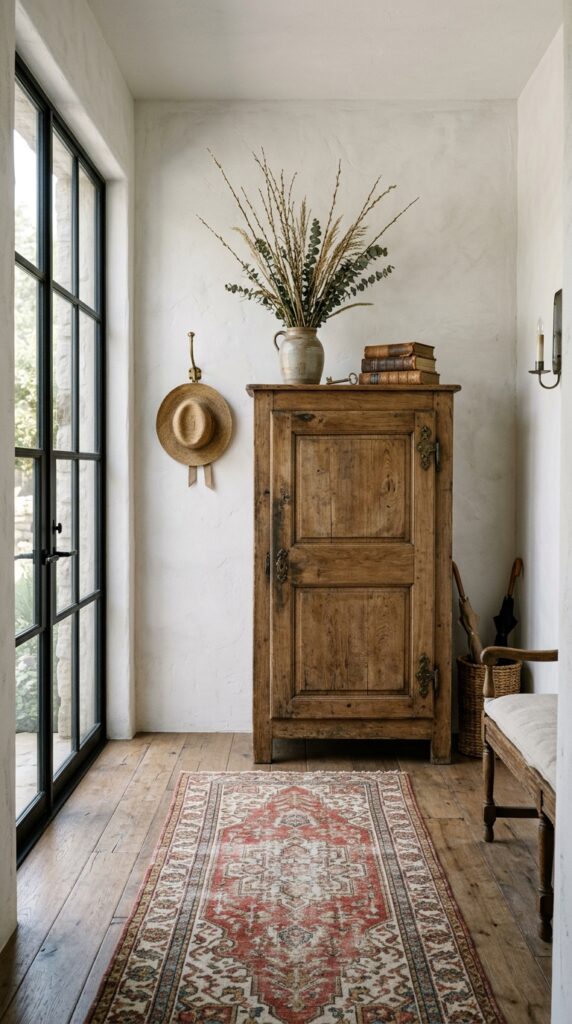
Every rustic modern room needs at least one piece with a real past. Not reproduction, not “vintage-inspired,” but actually old. An antique armoire, a worn leather club chair, a chipped wooden bench, a cabinet with sticky drawers and a story. This is the piece that grounds everything else and signals that the room wasn’t built in a single weekend from one catalog. Hunt at estate sales, secondhand marketplaces, and small auctions in your area. Watch out for anything that needs serious restoration unless you genuinely love restoring furniture. A piece that’s beautifully imperfect beats one that’s been over-refinished into looking new. Trade-off: antiques are rarely the right size for modern spaces, so measure twice and have a backup plan. When you find the right one, build the room around it. One real antique anchors a whole space. Everything else can be new.
11. Use Brass And Aged Metals Instead Of Chrome
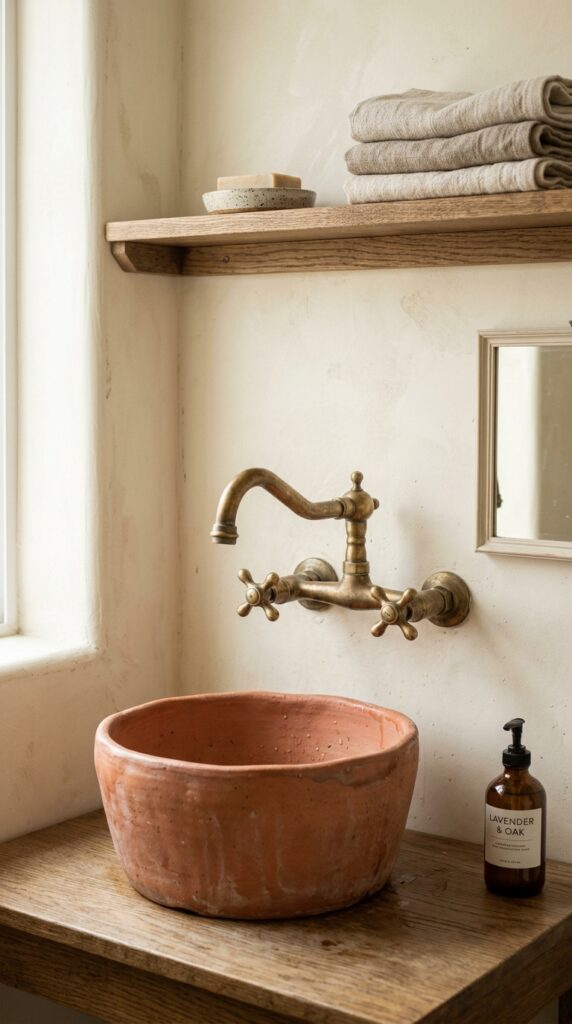
Chrome belongs in gyms and rental kitchens. For rustic modern, you want metals that age, develop patina, and look better the longer you live with them. Unlacquered brass is the gold standard, no pun intended, because it darkens and softens over the years into something genuinely beautiful. Aged bronze, oil-rubbed iron, and weathered nickel all work too. Use them on faucets, cabinet pulls, light fixtures, and small hardware throughout the home. The constraint: don’t try to match every metal in the house perfectly. Mixing two or three warm metals reads as collected, while strict matching reads as builder-grade. Skip lacquered brass if you can. It looks fake and never develops the patina that makes the real thing special. Aged metals cost more upfront and need a tiny bit of care, but they age into heirloom territory. Worth every dollar over a ten-year window.
12. Add Greenery That Looks Wild, Not Manicured
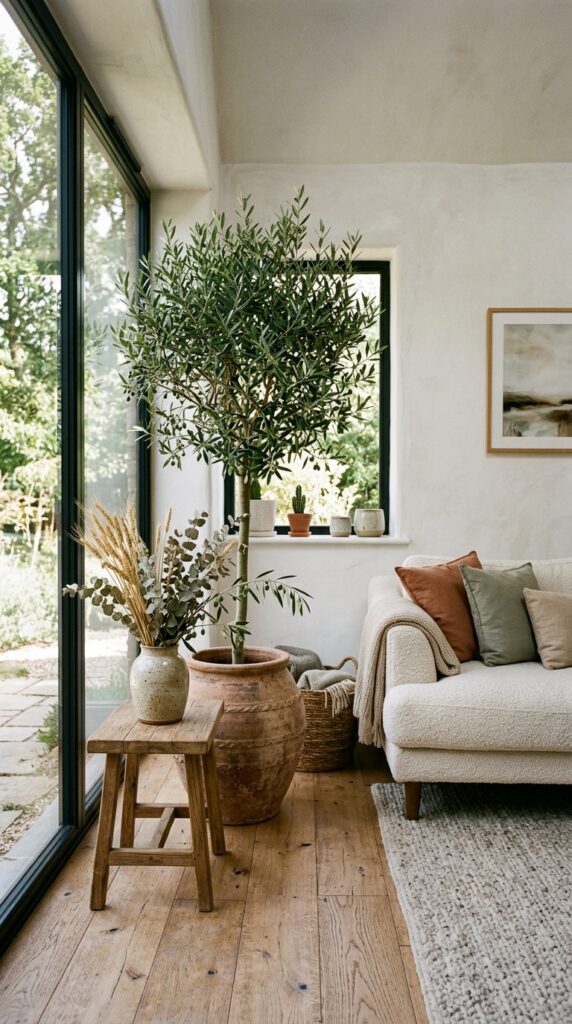
Plants make a room feel alive, but the wrong plants make a room feel like a dentist’s office. Skip the perfectly symmetrical fiddle leaf figs and the glossy monsteras for a minute. Rustic modern wants greenery that looks like it could have been picked from a hillside that morning. Olive trees, dried branches, eucalyptus, wheat stalks, herbs in clay pots, and slightly unruly vines all work. Arrange them loosely and asymmetrically. Let them lean. Watch out for plastic plants. They look fine in catalog photos and terrible in person, especially in good natural light. If you can’t keep real plants alive, dried branches and grasses last for years and cost almost nothing. The takeaway: plants should look like they belong in your house, not like they were placed there by a stylist five minutes ago. A little wildness goes a long way.
Wrapping It Up
Rustic modern works because it doesn’t ask you to choose between cozy and stylish. You can have both, and you can build it slowly over time without ever needing to throw everything out and start over. Start with one or two of these ideas, the ones that actually fit your space and your life, and let the rest happen as you find the right pieces. The best rooms are never finished in a single weekend, and they’re rarely the work of one catalog order. They’re the result of small, thoughtful decisions made over months and years, and a willingness to wait for the right thing instead of settling for the available one. If you took even one idea away from this article, like ditching the overhead light or hunting for a real antique, you’re already ahead of most. Save this page, come back to it when you’re ready for the next swap, and keep making your home feel more like you. That’s the whole point.